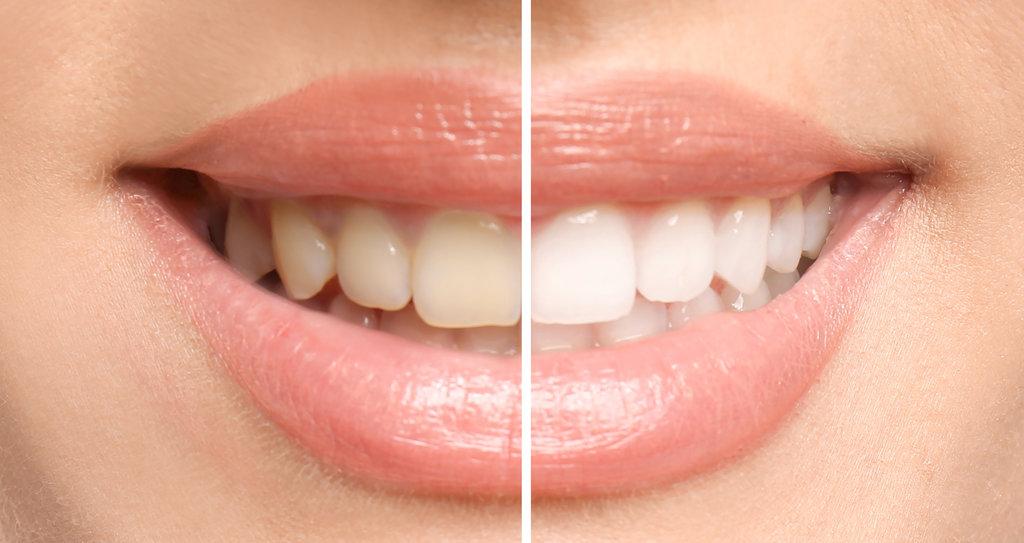
Paint-on whitening products can lighten some surface stains, but for most people the change is modest and fades quickly. A thin peroxide gel that you brush onto your teeth has to work against saliva, uneven coverage, and low peroxide strength, so it usually delivers less visible change than whitening strips, custom whitening trays, or an in-office treatment. Paint-on gels are best thought of as a light touch-up product rather than a way to meaningfully change your tooth shade.
At Imagine Dentistry in Charlotte, North Carolina, Dr. Ann Blaine Coambs often talks with patients who have already tried store-bought whitening before they come in. With over 20 years of experience, Dr. Coambs has received a Charlotte Magazine Top Dentists Award every year since 2016 and brings extensive continuing education from The Dawson Academy to her practice. She can help you decide whether a paint-on product is reasonable for your goals or whether one of our cosmetic dentistry services is a better fit for your smile.
How Paint-On Whitening Products Work
Paint-on whitening products typically contain hydrogen peroxide or carbamide peroxide in a gel or liquid that you apply directly to each tooth with a small brush or pen applicator. The coating dries into a thin film, and the peroxide slowly releases oxygen that breaks down the colored compounds sitting in and on your enamel. The application process is simple, which makes these products appealing to people with busy schedules who want a quick, inexpensive option.
Because the gel needs to dry quickly and stay comfortable on your teeth without a tray, manufacturers use lower concentrations of whitening agents compared to what dentists use for professional treatments. The film is also thin, so saliva, your lips, and your tongue begin wearing it away within minutes. That limited contact time is the main reason most paint-on products cannot deliver the dramatic results their packaging suggests.
What the Research Says About Paint-On Gels
Independent evidence on over-the-counter whitening is thinner than many people expect. A 2018 Cochrane systematic review of home-based tooth whitening in adults found low to very low certainty evidence that at-home bleaching products lighten teeth compared with a placebo over short periods. The trials that compared paint-on gels with whitening strips tended to favor strips, but the review rated those comparisons as very low certainty, and the authors concluded the evidence was too weak to say which product type, concentration, or application time works best.
In practical terms, that means a paint-on gel may produce some lightening, especially on newer surface stains, but you should not expect a predictable shade change. Results also depend heavily on what is causing your discoloration. The American Dental Association’s MouthHealthy guide to teeth whitening notes that yellowish teeth tend to bleach well, brownish teeth may not respond as well, and grayish teeth may not bleach at all.
Common Limitations of Paint-On Whitening Products
While paint-on whitening products may seem convenient, they come with several drawbacks that limit their effectiveness. Knowing these limitations can help you make a more informed decision about your whitening options.
- Uneven application: When you apply the gel yourself with a small brush, it is easy to miss the areas between teeth or near the gumline and to apply too much in other spots, which can lead to blotchy or uneven whitening results.
- Short contact time: Saliva production naturally washes the whitening film from your teeth relatively quickly after application. Most paint-on products don’t have the staying power needed for the whitening agents to work deeply into tooth enamel.
- Minimal results: Paint-on whitening products may lighten surface stains slightly, but they typically cannot address deeper discoloration or change the underlying color of your teeth. If you have stubborn stains from coffee, tea, wine, or tobacco, you’ll likely need stronger treatment options to see meaningful improvement.
- No effect on dental work: Peroxide only lightens natural enamel. Crowns, veneers, bonding, and tooth-colored fillings stay the same shade, so whitening the teeth around them can make existing dental work stand out.
These challenges mean that even consistent use of paint-on products may leave you disappointed with the results compared to professional treatments.
When a Paint-On Product May Be Reasonable
A paint-on gel is not harmful for most healthy adults when used as directed, and it can make sense in a few situations. If your teeth are already fairly light and you want to freshen mild surface staining, or if you have completed professional whitening and want a small touch-up between visits, a paint-on product may be enough. Look for a product that carries the ADA Seal of Acceptance, follow the package directions exactly, and stop using it if you notice sensitivity or gum irritation that does not settle within a day or two.
More is not better with any whitener. MouthHealthy cautions that overusing whitening products can damage tooth enamel or gums, and sensitivity happens when peroxide reaches the inner layer of the tooth. It is also wise to talk with a dentist before using any at-home product if you have untreated cavities, gum disease, exposed roots, very sensitive teeth, or visible restorations in your smile.
Why Professional Whitening Delivers Better Results
Professional teeth whitening at a dental office provides more predictable results than paint-on products for several reasons. Dentists use higher concentrations of whitening agents in formulas designed to be both safe and effective. Before an in-office treatment, your teeth are checked and cleaned, and a protective barrier is placed over your gums so the stronger gel stays on the enamel and away from soft tissue.
Professional options also keep the whitening gel in consistent contact with your teeth for the right amount of time. At Imagine Dentistry, we offer the Opalescence family of whitening products. Opalescence Boost is our in-office power whitening treatment, and it does not require lights or lasers. Opalescence Go uses prefilled disposable trays for convenient at-home whitening, and Opalescence Customized uses trays made from impressions of your teeth so the gel stays exactly where it needs to be. Results from professional whitening can last from several months to a few years, depending on your diet, hygiene habits, and touch-ups. If you decide to go the professional route, our guide on how to prepare for teeth whitening walks through what to do before and after your appointment.
Alternative Whitening Options That Work Better
If you’re looking for effective teeth whitening, several alternatives to paint-on products can help you achieve a brighter smile. Professional in-office whitening delivers the fastest visible change, often in a single appointment. Take-home professional whitening with custom or prefilled trays offers convenience while still providing stronger results than most over-the-counter options. The American Dental Association recommends brushing your teeth twice a day, cleaning between your teeth once a day, and replacing your toothbrush every three to four months as part of maintaining your oral health, but good hygiene alone may not brighten significantly stained teeth.
Whitening strips are another over-the-counter option, and because they hold the gel against your teeth for a set time, many people find them more effective than paint-on gels. For patients with significant discoloration that doesn’t respond well to whitening treatments alone, cosmetic bonding or porcelain veneers may provide a better solution. These treatments can change the appearance of stained or discolored teeth while also addressing other cosmetic concerns like chips, cracks, or misshapen teeth. If you already have crowns, veneers, or bonding, read our article on whether teeth whitening works on dental restorations before you start any product.
Achieve a Brighter Smile at Imagine Dentistry
Paint-on whitening products may seem like an easy solution for a brighter smile, but their limitations often leave people disappointed with the results. If you’re ready for teeth whitening that produces a change you can actually see, professional treatment offers a more reliable path forward. Dr. Coambs takes a personalized approach to cosmetic dentistry, evaluating your current shade, your enamel, and any existing dental work before recommending a treatment.
Whether you choose Opalescence Boost in our office, take-home trays, or another cosmetic solution, you can feel confident that your whitening plan is supervised and tailored to you. We also offer financing through CareCredit and Cherry, along with our in-house Membership Plan. Ready to discover what professional teeth whitening can do for your smile? Request an appointment today to get started on your path toward a brighter, more radiant smile.
Frequently Asked Questions About Paint-On Whitening
Are paint-on teeth whitening products safe?
For most healthy adults, paint-on whitening products are considered safe when used exactly as directed. The most common side effects are temporary tooth sensitivity and mild gum irritation. Overusing any whitener can damage enamel or gums, so follow the label, choose a product with the ADA Seal of Acceptance, and check with your dentist first if you have cavities, gum disease, or very sensitive teeth.
Are whitening strips better than paint-on whitening gels?
Strips hold the whitening gel against your teeth for a set amount of time, while a paint-on film is worn away by saliva more quickly. Small clinical trials have tended to favor strips, but a Cochrane review rated that evidence as very low certainty. Both are over-the-counter options with modest results compared with professional whitening.
How long do paint-on whitening results last?
Any lightening from a paint-on product is usually small and can fade within weeks, especially if you drink coffee, tea, or red wine regularly or use tobacco. Professional whitening results typically last from several months to a few years, and periodic touch-ups with custom trays can help maintain them.
Will paint-on whitening work on crowns, veneers, or bonding?
No. Whitening agents only lighten natural tooth enamel, so crowns, veneers, bonding, and tooth-colored fillings keep their original shade. Whitening the natural teeth around them can create a visible mismatch, which is why it helps to plan any whitening with your dentist if you have dental work in your smile.
Why are my teeth not getting whiter with a paint-on product?
The gel may not be staying on your teeth long enough, or your discoloration may come from inside the tooth rather than the surface. Brownish and grayish stains, and discoloration from medications or a past tooth injury, often do not respond to over-the-counter whitening. A dental exam can identify the cause and the options most likely to help.