TMD/TMJ Treatment in Charlotte, NC
At Imagine Dentistry at the Arboretum in Charlotte, Dr. Ann Blaine Coambs brings advanced training to the diagnosis and treatment of TMJ disorders. Dr. Coambs has completed training through the Dawson Academy, a curriculum recognized globally as the gold standard for bite analysis and TMJ care and complex jaw-related problems, giving her a deeper clinical foundation for this type of care than most general dental practices offer. Learn more about the full range of dental services we offer at our Charlotte practice.
Jaw pain, persistent headaches, and a jaw that clicks or pops with every bite are not things you should simply learn to live with. These are common signs of a temporomandibular joint disorder, a condition that affects the joints, muscles, and ligaments connecting your lower jaw to your skull. According to the National Institute of Dental and Craniofacial Research, TMJ disorders are among the most common causes of facial pain, and they can make routine activities like eating, speaking, and yawning genuinely uncomfortable.
What Is a TMJ Disorder
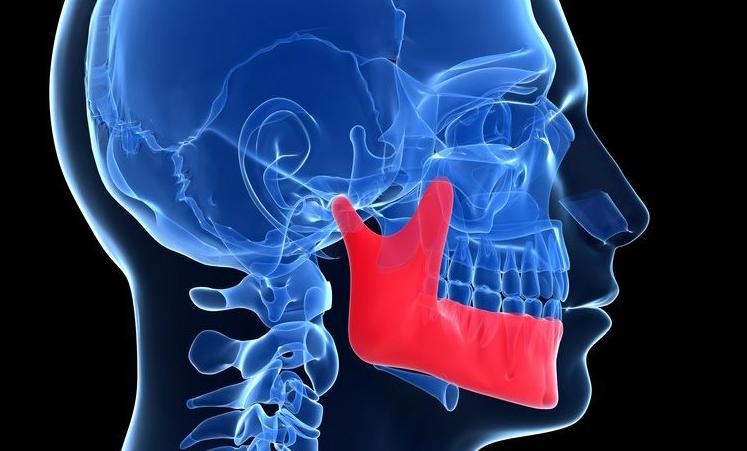
The temporomandibular joints are the two hinged joints that connect your lower jaw to your skull, located just in front of each ear. They work constantly throughout the day, managing every movement involved in chewing, speaking, and even breathing. When something disrupts the function of these joints or the surrounding muscles, the result is a temporomandibular disorder, commonly referred to as TMD or TMJ.
A number of factors can contribute to TMJ disorders, including teeth grinding or clenching (bruxism), jaw injury or trauma, arthritis in the jaw joint, dental misalignment or bite problems, and chronic muscle tension from stress. Because the causes vary considerably from person to person, a thorough evaluation is essential before any treatment plan is developed. Our team takes time to assess jaw movement, bite alignment, and muscle tenderness to understand the specific factors driving your symptoms.
Recognizing TMJ Symptoms
TMJ disorders can present in different ways, and symptoms often extend beyond the jaw itself. The most common signs include:
Recognizing these symptoms early matters. When TMJ disorders are addressed before they worsen, treatment tends to be more straightforward and effective. If you have been managing any of these symptoms on your own, it may be time for a professional evaluation. Our team also offers balancing your bite services for patients whose jaw issues are connected to bite alignment problems.
How Dr. Coambs Evaluates Your Bite and Jaw
What sets Dr. Coambs’ approach to TMJ care apart begins with how thoroughly she evaluates the problem. Drawing on her Dawson Academy training, she performs a comprehensive bite analysis that goes beyond surface-level symptoms. This evaluation includes assessing jaw muscle function and tension, evaluating TMJ range of motion and any clicking or popping, examining tooth wear patterns that indicate bite imbalance, and analyzing jaw position and how the upper and lower teeth come together under load.
Many patients who have had TMJ symptoms for years have never had a full bite analysis conducted. A nightguard alone may reduce grinding symptoms, but if the underlying bite relationship is off, the root cause of your pain remains. Our evaluation is designed to identify whether your symptoms stem from bite issues, muscle imbalance, joint dysfunction, or a combination and then address the actual source for lasting results. Our team also offers balancing your bite services for patients whose jaw issues are connected to broader bite alignment concerns.
TMJ Treatment Options at Imagine Dentistry
Our approach to TMJ treatment prioritizes conservative, non-invasive options whenever possible. Treatment is always tailored to the individual, taking into account the severity of your symptoms, their underlying cause, and how they are affecting your daily life.
Custom Oral Appliances
For many patients, a custom-fitted oral appliance is one of the most effective first steps. These devices, typically worn at night, help reposition the jaw, reduce grinding and clenching, and relieve pressure on the temporomandibular joints. We use the iTero Lumina intraoral scanner to create precisely fitted appliances, ensuring both comfort and clinical effectiveness. A well-fitted appliance can make a meaningful difference in pain levels and sleep quality over time.
Jaw Exercises and Physical Therapy
Targeted jaw exercises can help strengthen the muscles surrounding the joint, improve range of motion, and reduce tension. We provide guidance on exercises you can perform at home as part of an ongoing care routine. For patients whose symptoms require more intensive intervention, we coordinate with physical therapists who work in conjunction with the dental care we provide, offering a well-rounded approach to recovery.
Lifestyle Modifications
Small adjustments to daily habits can have a real impact on TMJ symptoms. Avoiding extremely chewy foods, cutting food into smaller pieces, and stopping gum chewing all reduce unnecessary strain on the jaw joint. Stress management is equally important, as tension from stress frequently manifests as clenching or grinding. Posture adjustments, particularly during extended computer or phone use, can also reduce strain on the jaw and neck.
TMJ Treatment at Imagine Dentistry at the Arboretum
Imagine Dentistry at the Arboretum is one of the few general dental practices in Charlotte where the provider has completed training at the Dawson Academy, an advanced postgraduate curriculum focused on bite analysis and TMJ-related problems. Dr. Coambs has been recognized as a Charlotte Magazine Top Dentist from 2016 through 2024 and holds a Fellowship Award from the Academy of General Dentistry (FAGD), a distinction earned by fewer than 6% of general dentists nationwide. Her continuing education includes additional training focused specifically on complex bite disorders and TMJ care.
Whether your symptoms are mild or have been affecting you for years, our team has the training and technology to help you find lasting relief. We welcome patients with and without insurance, including through our Love Your Smile membership plan for those without traditional coverage. To schedule a consultation and take the first step toward lasting comfort, contact our office today.
Frequently Asked Questions
Nonsurgical treatments for TMJ pain often include custom oral appliances, physical therapy exercises, and lifestyle changes such as eating soft foods to reduce strain on the jaw. Muscle relaxants may also be prescribed to ease muscle tension around the temporomandibular joint (TMJ). Additionally, relaxation techniques and stress reduction can help minimize jaw clenching and improve symptoms. These approaches aim to relieve pain and restore function without the need for TMJ surgery.
Surgical TMJ treatments are usually considered only after nonsurgical treatments fail to relieve severe pain or improve jaw function. TMJ surgery might involve procedures to repair or replace parts of the joint when dysfunction worsens significantly or structural damage occurs. Surgery can help patients with chronic, debilitating symptoms that impact eating, speaking, or overall quality of life. A thorough evaluation is necessary to determine if surgery is appropriate or if less invasive options remain viable.
Eating soft foods reduces the amount of chewing and pressure placed on the temporomandibular joint, which can help relieve TMJ pain. Avoiding tough, chewy, or crunchy foods allows the jaw muscles to relax and prevents further irritation or inflammation of the joint. This dietary modification is often recommended as part of nonsurgical treatments to manage TMJ dysfunction and decrease discomfort during flare-ups.
Muscle relaxants can relieve muscle spasms and tension around the temporomandibular joint, providing short-term pain relief for TMJ dysfunction. Combined with relaxation techniques such as deep breathing, meditation, or guided imagery, they help reduce jaw clenching and stress-related muscle tightness. These methods can decrease TMJ pain and prevent symptoms from worsening by promoting muscle relaxation and improved joint movement.
Yes, TMJ dysfunction can get worse without proper treatment, potentially leading to increased pain, jaw locking, and difficulty eating or speaking. Ignoring symptoms or delaying care may cause chronic inflammation, muscle fatigue, and further joint damage. Early intervention using nonsurgical treatments like custom appliances, physical therapy, and lifestyle changes can help manage symptoms and prevent TMJ dysfunction from worsening. Severe cases may eventually require surgical TMJ treatments if left untreated.
The cost of TMJ therapy depends on the type and duration of treatment recommended. A custom oral appliance, for example, will involve different fees than a longer-term course of jaw exercises and follow-up care. Insurance coverage for TMJ treatment varies considerably by plan, with some plans covering oral appliances under certain diagnostic codes and others classifying the treatment as elective. Our team will review your specific insurance benefits and provide a clear estimate before treatment begins. We also offer financing and our Love Your Smile membership plan for patients without traditional insurance.
At Imagine Dentistry, we accept most dental insurance plans and will work to maximize your benefits for covered services. Whether TMJ treatment is covered depends on your specific plan and the nature of your diagnosis. We recommend calling our office so we can verify your coverage before your appointment. For patients without insurance, we offer the Love Your Smile membership plan as well as financing through CareCredit.
Dental Insurance
We accept most dental insurances, and we will always work to get the most out of your benefits. If it would help to break up the cost of your care into smaller monthly payments, we are prepared to discuss payment plan options with you. We offer an excellent Membership Plan with our office, as well as financing with Care Credit. If you are looking for a dentist in Charlotte, NC, our team will be delighted to assist you in scheduling an appointment today.

Dental Membership Plan
We offer an excellent Membership Plan designed specifically for patients without traditional insurance coverage. Our “Love.Your.Smile.” plans provide access to preventive care, including regular checkups, cleanings, and x-rays, along with valuable discounts on additional treatments. If you’re looking for transparent pricing and quality dental care without the hassle of insurance claims, our membership plan may be the perfect solution for you and your family. Our team will be happy to discuss which plan best fits your needs during your visit!