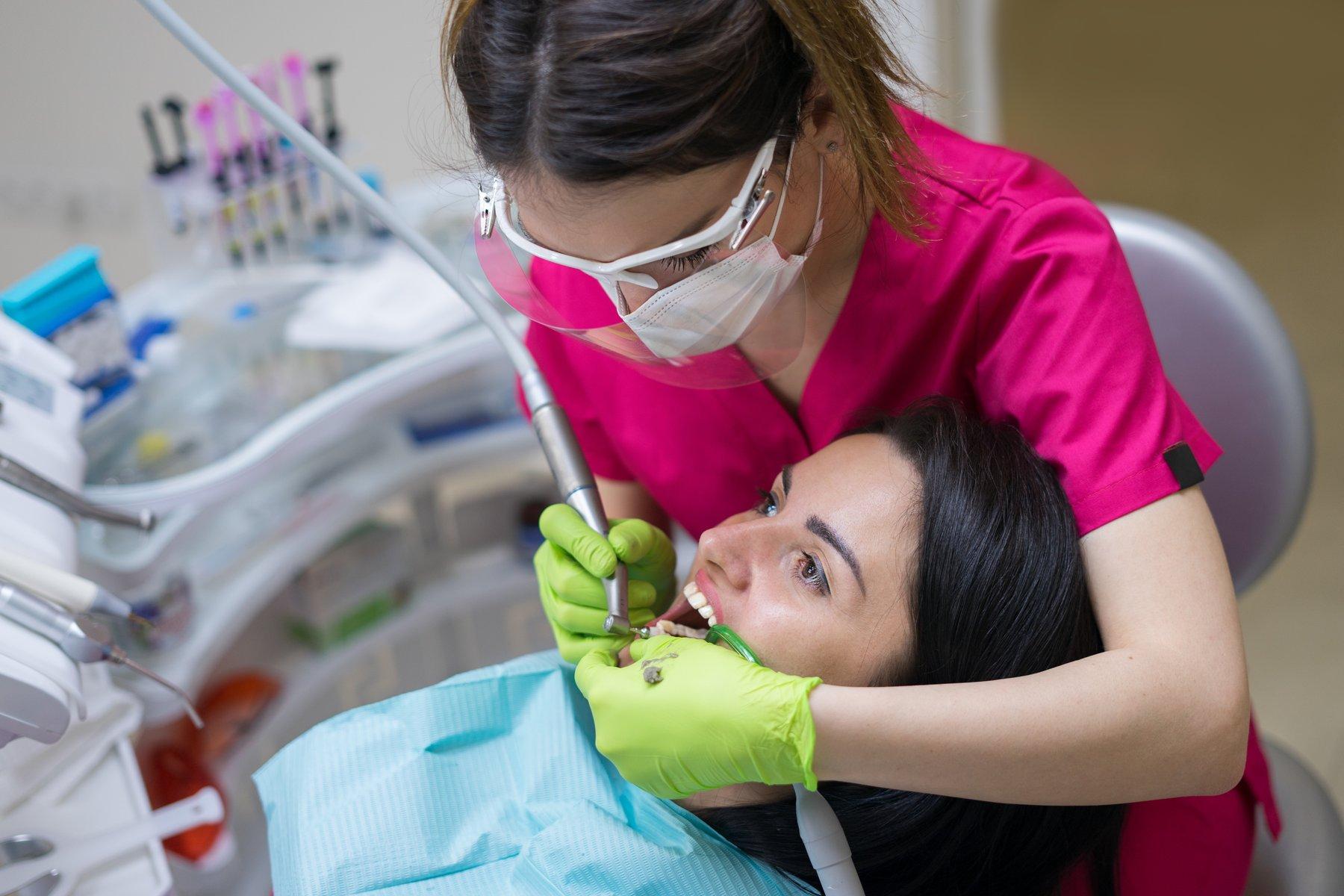
 Your hygienist says the words “deep cleaning,” and a routine visit suddenly feels like a bigger deal than you planned for. The good news is that a deep cleaning is a thorough, nonsurgical way to reach the plaque and tartar hiding below your gumline, in places a toothbrush and floss cannot reach. A regular cleaning keeps the visible parts of your teeth fresh, while a deep cleaning goes after the buildup around your roots that may be irritating your gums.
At Imagine Dentistry in Charlotte, our team educates you throughout every treatment, so nothing about your visit feels like a surprise. Our approach to periodontal care centers on protecting your gums and keeping your natural teeth healthy. Here is what happens in the chair, who may need this treatment, and how you may feel afterward.
How a Deep Cleaning Differs From a Regular Cleaning
A regular teeth cleaning focuses on the surfaces you can see. Your dental hygienist removes plaque and tartar from the crowns of your teeth and just below the gum edge, then polishes away surface stains. Paired with periodic exams, these visits help keep healthy mouths healthy.
A deep cleaning, which dentists call scaling and root planing, treats a different problem. When bacteria settle along the roots, gums can pull away from the teeth and form small spaces called pockets. Brushing alone cannot clean inside those pockets, so tartar keeps collecting and your gums may stay swollen and infected. A deep cleaning clears that buildup and gives your gums a smooth surface to heal against.
What Happens During a Deep Cleaning?
Many patients feel more at ease once they know the steps, so here is how a visit usually unfolds. Cleveland Clinic explains that scaling and root planing is a nonsurgical treatment and often the first line of care for mild to moderate gum disease.
Numbing for Comfort
Your provider may begin by numbing your gums with a local anesthetic and anesthetic gel. This helps you stay comfortable while we work below the gumline, and you can tell us at any point if you need a break.
Scaling Below the Gumline
Next comes scaling. Dental instruments, such as hand scalers or ultrasonic tools, lift plaque and tartar away from the teeth, both above and below the gumline, all the way down into the bottom of the pockets.
Smoothing the Roots
Then we smooth the tooth roots, which is called root planing. A smooth root surface makes it harder for plaque to cling and gives your gums a better chance to settle back against the tooth. Depending on your needs, a deep cleaning may take one to two hours, and we may split treatment into two appointments, one for each side of your mouth.
Who May Need a Deep Cleaning?
Not everyone needs one. Your dentist or hygienist measures the pockets around each tooth and reviews your gum health before recommending treatment. Signs that may point toward a deep cleaning include the following:
- Bleeding gums: Blood when you brush or floss, or gums that look red and puffy
- Persistent bad breath: An odor that returns soon after brushing
- Gum recession: Gums that seem to be pulling away from your teeth
- Deeper pockets: Spaces around the teeth that measure deeper than normal during an exam
- X-ray evidence: Routine x-rays may show tartar deposits between teeth and below the gumline
These signs can also show up with other conditions, so an exam is the best way to find out what is going on. If your exam or x-rays point to gum disease, our team can walk you through your gum disease treatment options and explain why we recommend each one.
What to Expect After Your Deep Cleaning
Most people return to their normal routines the same day, and you can eat and drink whatever feels comfortable. Your gums may feel sore for a couple of days, and your teeth may feel sensitive to hot and cold for a month or two as the tissue heals. Over-the-counter pain relievers may ease tenderness, and you should contact our office if you notice bleeding that does not stop or pain that medication does not relieve.
Healing continues at home and at follow-up visits. Brushing and flossing daily, along with the home care instructions we give you, helps protect your results. Patients must return regularly for periodontal maintenance cleanings to keep their gums steady, which helps protect the progress you made!
Schedule Your Deep Cleaning With Imagine Dentistry in Charlotte
Choosing a dental team for gum care is personal, and we want you to feel confident in your decision. Dr. Coambs has received Charlotte Magazine’s Top Dentist Award every year since 2016, and Dr. Coambs brings more than 20 years of experience and the latest dental technology to each visit. You can read more about her background before you come in.
We also offer financing options through Cherry and Care Credit, along with our Membership Plan. If your gums have been bleeding, or your hygienist has mentioned needing a deep cleaning, our team is ready to answer your questions and help you choose the next step, so contact our office to schedule your visit.