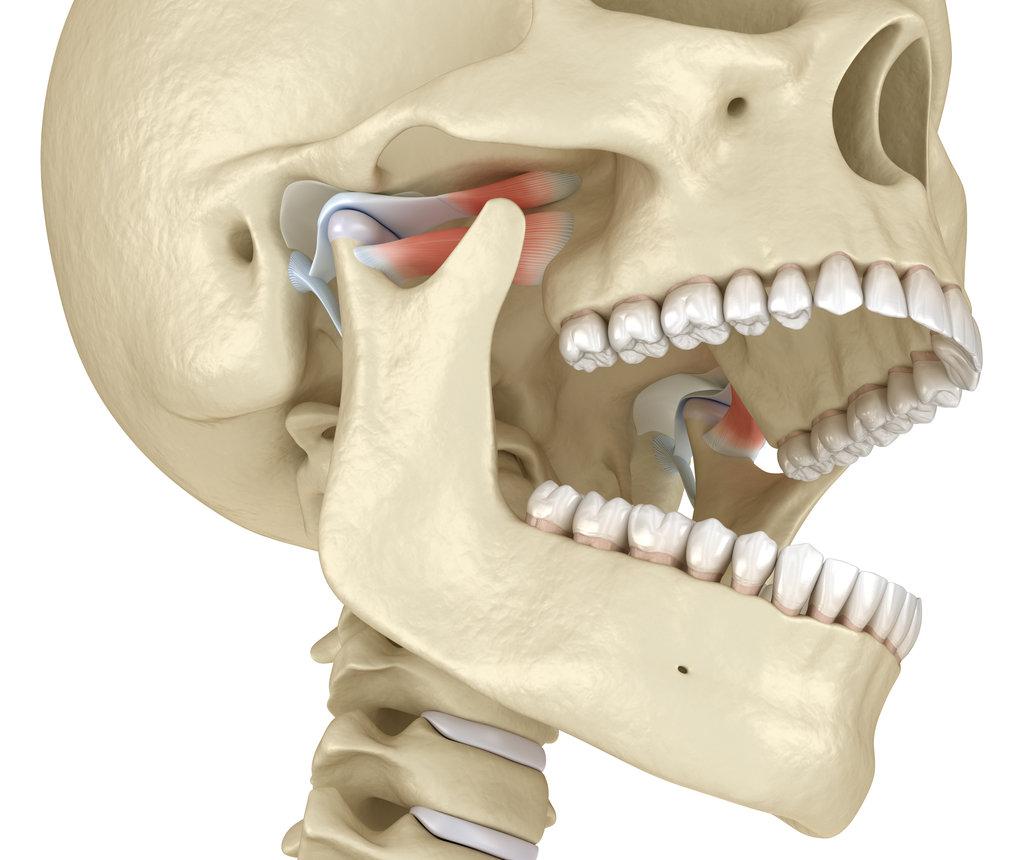
Jaw pain can disrupt your entire day, making simple activities like eating, talking, or even yawning uncomfortable. When this discomfort becomes persistent or starts affecting your quality of life, it may signal a TMJ disorder that requires professional attention.
At Imagine Dentistry in Charlotte, North Carolina, we provide comprehensive evaluation and treatment for TMJ-related issues. Dr. Ann Blaine Coambs has over 20 years of experience and has received a Charlotte Magazine Top Dentists Award every year since 2016, with advanced training from The Dawson Academy to assess and treat jaw joint problems. Dr. Shelli Boucher, her colleague, brings over 15 years of experience, including extensive hands-on training focused on the diagnosis and treatment of complex bite disorders and TMJ-related issues at the Dawson Academy, an internationally recognized postgraduate education center.
How to Know When Your Jaw Pain Requires Professional Help
Occasional jaw discomfort might resolve on its own, but certain symptoms warrant prompt professional attention. If you experience persistent pain that lasts more than a week or two, scheduling an evaluation makes sense. Pain that intensifies over time or significantly impacts your ability to eat, speak, or sleep requires assessment sooner rather than later.
Difficulty opening your mouth wide or moving your jaw normally should prompt a visit. If your jaw locks in position or you can’t fully close or open your mouth, seek care right away. These mechanical issues often indicate problems with the joint’s disc or structure that may benefit from early intervention.
Swelling on the side of your face near the jaw joint, especially when combined with pain, requires evaluation. Changes in your bite, where your teeth suddenly feel misaligned or don’t come together the way they used to, also signal potential TMJ concerns. If you notice these changes after dental work or an injury, mention this timeline to help pinpoint the cause.
What Causes TMJ Disorders
Multiple factors can contribute to TMJ problems, and identifying the underlying cause helps determine the most effective treatment approach. Grinding or clenching your teeth, particularly at night, puts excessive pressure on the joint and surrounding muscles. Many people grind without awareness, making a custom night guard an important protective measure.
Bite problems or misaligned teeth can stress the TMJ over time. When your teeth don’t fit together properly, your jaw muscles work harder to compensate, which can lead to pain and dysfunction. Arthritis in the jaw joint, while less common, can cause inflammation and limit movement. Previous jaw injuries, even minor ones from years ago, sometimes result in long-term joint problems.
Stress plays a significant role in TMJ disorders, as it often leads to muscle tension in the jaw, neck, and shoulders. This tension can trigger clenching behaviors and exacerbate existing joint issues. Some people also have structural factors, such as joint disc displacement or connective tissue disorders, that increase their susceptibility to TMJ problems.
Diagnostic Process and Treatment Options
During your evaluation, we conduct a thorough examination of your jaw, muscles, and teeth. We assess how your jaw moves, listen for clicking or popping sounds, and check for areas of tenderness or pain. Digital imaging may help us see the joint structure and identify any abnormalities. We also review your medical history and discuss your symptoms in detail to understand how they affect your daily life.
Treatment approaches vary depending on the severity and cause of your TMJ disorder. Conservative treatments often prove effective for many patients. These may include lifestyle modifications, such as eating softer foods, applying heat or cold packs, and practicing stress reduction techniques. Physical therapy exercises can strengthen jaw muscles and improve range of motion.
For grinding or clenching issues, a custom-fitted night guard protects your teeth and reduces pressure on the joint. Medications might help manage pain and inflammation in the short term. In some cases, adjusting your bite through dental work or orthodontics addresses underlying alignment problems. More advanced treatments remain available for complex cases, though most patients respond well to conservative approaches.
Living with TMJ Disorders at Imagine Dentistry
Managing TMJ disorders effectively often requires ongoing attention and care. Small daily adjustments can make a significant difference in your comfort level. Avoiding hard or chewy foods, practicing good posture, and being mindful of jaw habits like pen chewing or nail biting all support joint health. Regular follow-up visits allow us to monitor your progress and adjust your treatment plan as needed.
Many patients find relief through comprehensive treatment approaches that combine several strategies. Dr. Coambs and Dr. Boucher work closely with each patient to develop personalized care plans based on individual needs and circumstances. Their extensive training in complex bite disorders enables them to identify subtle issues that might otherwise go undetected. If you’re experiencing jaw pain or other TMJ symptoms, contact us to schedule a consultation and take the first step toward relief!