Oil pulling has surged in popularity as a natural oral health practice, with enthusiasts claiming it whitens teeth, prevents cavities, and improves gum health. This ancient Ayurvedic technique involves swishing oil in your mouth for extended periods, typically 15-20 minutes, to supposedly “pull” toxins from your body. While oil pulling may offer some minor benefits for oral hygiene, the scientific evidence supporting its dramatic health claims remains limited, and it should never replace proven dental care practices like brushing, flossing, and regular professional cleanings.
At Imagine Dentistry in Charlotte, North Carolina, Dr. Ann Blaine Coambs and her colleague, Dr. Shelli Boucher, help patients separate dental facts from fiction. With over 20 years of experience, Dr. Coambs has received a Charlotte Magazine Top Dentists Award every year since 2016, and Dr. Boucher brings over 15 years of experience, including extensive continuing education at The Dawson Academy. Together, they provide evidence-based guidance on effective oral health practices that truly protect your smile!
What Is Oil Pulling and How Does It Work?
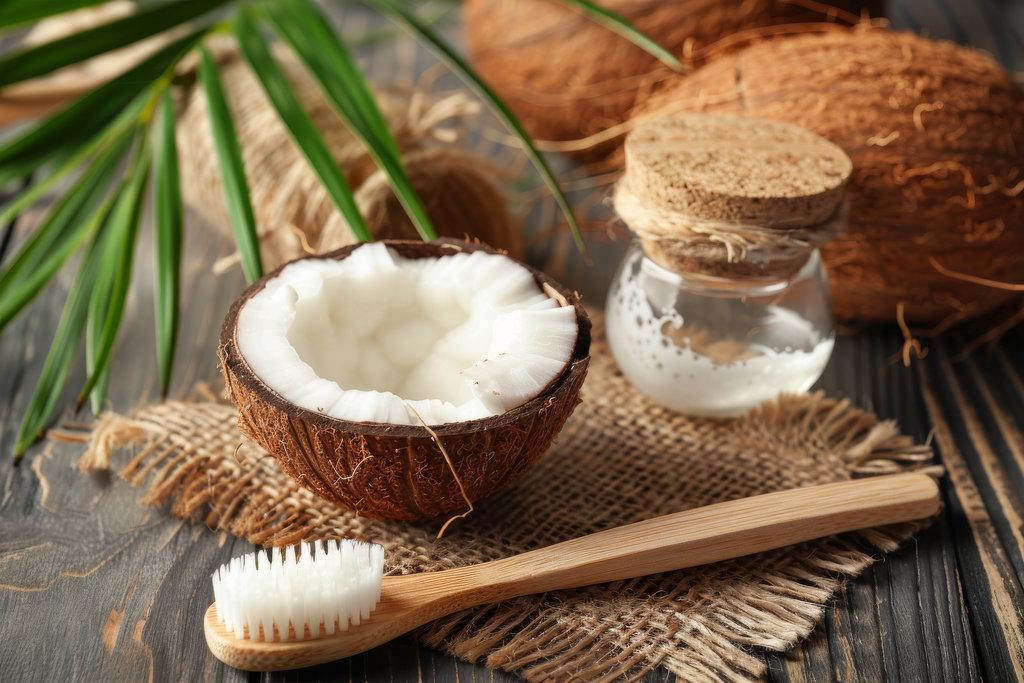
Oil pulling involves placing a tablespoon of oil, typically coconut, sesame, or sunflower oil, in your mouth and swishing it around for 15-20 minutes before spitting it out. Proponents of this practice believe that the swishing action pulls bacteria, toxins, and other harmful substances from your teeth and gums. The oil is then spit out, ideally into a trash can rather than down the sink, as it can solidify and clog pipes.
The practice originates from traditional Ayurvedic medicine, where it has been used for thousands of years as part of a holistic approach to health and wellness. Modern advocates claim that oil pulling can whiten teeth, reduce bad breath, prevent cavities, heal bleeding gums, and even cure systemic diseases. However, these claims often far exceed what current scientific research actually supports.
What the Science Actually Says
Scientific studies on oil pulling have produced mixed results, with most showing only modest benefits that don’t surpass traditional oral hygiene methods. Some research suggests that oil pulling may reduce harmful bacteria in the mouth, which could potentially decrease plaque formation and improve gum health. The lipids in the oil may help trap and remove some bacteria when you spit out the oil.
However, these studies typically involve small sample sizes and short durations, making it difficult to draw definitive conclusions about long-term effectiveness. More importantly, no credible research demonstrates that oil pulling is superior to conventional oral hygiene practices. The American Dental Association recommends brushing your teeth twice a day, flossing once a day, and replacing your toothbrush every three to four months as the foundation of good oral health.
Potential Benefits and Limitations
Oil pulling may offer some limited benefits as a supplemental oral hygiene practice, though these benefits are generally modest. Understanding both the potential advantages and significant limitations helps you make informed decisions about incorporating this practice into your routine.
- Minor bacteria reduction: The swishing action can help dislodge food particles and bacteria from teeth and gums, similar to rinsing with water or mouthwash.
- Fresher breath: Some people report temporarily fresher breath after oil pulling, which may result from the reduction of bacteria in the mouth.
- Saliva stimulation: The practice might stimulate saliva production, which helps neutralize acids and wash away debris naturally.
Despite these potential minor benefits, oil pulling has significant limitations. The practice requires 15-20 minutes daily, which many people find difficult to maintain consistently. Oil pulling does not remove hardened tartar, cannot reach bacteria below the gum line, and does not provide fluoride protection against cavities. Most importantly, oil pulling cannot replace professional dental cleanings or treat existing dental problems like cavities, gum disease, or infections.
Why Traditional Oral Hygiene Remains Essential
No alternative practice, including oil pulling, can replace the fundamental components of good oral hygiene. Brushing your teeth twice daily with fluoride toothpaste removes plaque, strengthens enamel, and prevents cavities in ways that oil pulling simply cannot match. Flossing reaches between teeth and below the gum line to remove debris and bacteria that neither brushing nor oil pulling can access effectively.
Regular visits to your dentist for professional cleanings and examinations remain crucial for maintaining optimal oral health. During these appointments, dental professionals can remove hardened tartar that cannot be eliminated through home care alone. Your dentist can also identify early signs of problems like cavities, gum disease, or oral cancer before they become serious issues. At Imagine Dentistry, Dr. Coambs and Dr. Boucher provide comprehensive preventive care that addresses your oral health needs with proven, effective treatments.
Evidence-Based Approaches to Oral Health
Instead of relying on unproven methods with limited scientific backing, focus your energy on oral health practices that have been thoroughly researched and validated. Brushing with fluoride toothpaste twice daily effectively removes plaque and strengthens tooth enamel against decay. Daily flossing reaches areas that brushing misses, preventing cavities between teeth and reducing gum inflammation. Using an antimicrobial mouthwash approved by dental professionals can provide additional protection against bacteria.
Regular professional dental care remains the cornerstone of maintaining a healthy smile. Professional cleanings remove tartar buildup that home care cannot eliminate, and comprehensive examinations allow your dentist to catch problems early. At Imagine Dentistry, patients receive personalized care plans based on their individual needs and risk factors. Advanced technology, including the state-of-the-art iTero Lumina scanner, helps provide precise diagnoses and effective treatments for cosmetic dentistry services and beyond.
Maintain Your Oral Health at Imagine Dentistry
While oil pulling may offer some minor benefits as a supplemental practice, it cannot replace the proven effectiveness of traditional oral hygiene and professional dental care. The most reliable way to maintain a healthy, beautiful smile is through consistent brushing and flossing, combined with regular visits to your dentist. Rather than spending 20 minutes daily on a practice with questionable benefits, invest that time in thoroughly caring for your teeth using methods backed by decades of scientific research!
Dr. Coambs and Dr. Boucher are committed to helping patients achieve optimal oral health through evidence-based practices and personalized care. Whether you need routine preventive care, cosmetic treatments, or help with existing dental concerns, our team provides the highest quality care in a welcoming environment. Don’t rely on unproven fads when you can receive professional dental care that truly protects your smile. Request an appointment today to experience comprehensive oral health care that makes a real difference in your dental health and overall well-being.